

Bean to Cup Coffee Machine
Bean to coffee machines are all-in-one appliances that grind whole beans before brewing. It also lets users customize their drink settings for individual preferences.
They also provide a variety of tea and hot chocolate options. The main types of coffee-based drinks offered are: cappuccino, espresso and Latte.
The Grinder
The grinder is among the most vital components of a bean-to-cup machine because it's the key to making a great tasting coffee. The grinder is responsible for grinding whole beans into a fine powder prior to the time they're brewed, which is the process that determines the amount of flavor the final cup of coffee will have.
You can purchase an individual coffee grinder to be used on an ordinary machine, or integrate it into a bean-to cup machine. If you purchase the coffee maker with a built-in grinder, the beans are ground right before the brewing cycle, which makes the entire coffee brewing process as smooth and seamless as is possible.
If you don't mind having an extra appliance in your kitchen, or prefer beans that are already ground, a separate coffee grinder is an excellent option. If you choose this option ensure you choose a model which is both robust and quiet to ensure that it doesn't disturb your morning routine.
In terms of convenience, this coffee maker has the edge over models with integrated grinders since you'll have total control over the fineness or coarseness of your beans are processed. This feature prevents burning of the beans, which can result in a bad tasting coffee.
Apart from its simplicity of use, this model has some other noteworthy features. For example, the brew basket and filter can be easily removed for cleaning in the sink, which means that you don't have to battle with a clogged machine or spend time brushing out those hard-to-reach nooks and crevices. There's also a removable water reservoir and a transparent window which makes it easier to keep track of your water levels. This machine also features a conical grinder that is more durable than blade-style models. It also guarantees a consistent grinding. You'll enjoy a more robust and more classic cup of espresso. This is a great choice for anyone who wants to enjoy the finest coffee each and every day.
The Brewing Unit
The brewing unit is a vital element of a coffee maker. It grinds coffee beans into fine powder, then doses the appropriate amount of ground coffee in the filter, and then presses hot water under pressure through the ground. This results in a rich, aromatic coffee which can be dispensed into cups for consumption. The brewing unit can automate this process, allowing consumers to personalize their coffee. The brew strength, temperature, and other settings can be altered by the consumer to create their ideal cup of coffee.
Although it is possible to make a great cup with a basic machine, advanced models come with a number of options that can improve the overall brewing procedure. For instance, a lot of bean to cup machines include an extra hopper that can be used for different types of milk. This makes it easier to provide a wider range of beverages, including white chocolate, which will increase profits and customer satisfaction.
Other options include a milk frother and a hot-water dispenser which make it simple to make cappuccinos or lattes. This will increase the customer's satisfaction and profit because customers can pick the beverage they would like to drink at home or at the office. Certain coffee machines also have a second hopper that you can store sugar to create espresso-based drinks.
No matter which model the user chooses to purchase, it is crucial that they are aware of the requirements for maintenance. To ensure that the water system, brewing unit and grinder are functioning correctly, they need regular cleaning and maintenance. It is recommended that users consult the manufacturer's recommendations for the proper maintenance and cleaning schedules to prolong the life of their bean-to-cup coffee machine. Some of these tasks may have to be completed weekly and others could be performed at more frequent intervals. The more frequently these tasks are completed the less likely it is that the brewing equipment will break down or become damaged. It is recommended that for the best results, consumers use products that are safe for use and are food-grade.
The Water System
Bean to cup machines are an excellent way to provide your guests and employees with a premium coffee experience without the need for staff training or the risk of wasted coffee. This is because everything happens inside the machine and is completely automated which allows employees to take their coffee and go back to work.
Contrary to pod machines that utilize pre-packaged, plastic-based coffee, bean to cup machines utilise whole beans and freshly ground coffee. This ensures a greater level of consistency and quality and is less expensive than using lots of expensive coffee pods.
They are extremely easy to use and operate. You only need to push a button and you'll have the perfect cup in just a few just a few seconds. The majority are plumbed in, so you can avoid having to refill water tanks constantly. The machine still needs to be topped up with clean, fresh water to ensure it doesn't get blocked by scale or mineral build-up. This can cause damage and alter the taste of the coffee.
The majority of machines come with a selection of pre-programmed drinks available however, they can also be used to create custom orders. Some even texturize milk to give an authentic barista-style finish to drinks that are frothy, like cappuccinos and lattes.
As we've mentioned, it is important to fill the machine with water that has been specially filtered for brewing coffee. The taste and performance of your coffee can be affected by mineral buildup, which is caused by magnesium, calcium or other minerals that are dissolved into the system. Coffeee UK have an integrated water solution that automatically dispensing the correct amount of filtered water to each drink made.
Keeping the machine regularly cleaned and descaled will prevent it from experiencing issues like scale build-up or leaks. This will ensure that the machine stays functioning well, and will make it last longer because it won't be damaged by any build-up which could harm internal components.
Control Panel Control Panel
The majority of bean-to cup coffee machines have a control panel which lets users select their drink. If available, this includes the strength of the coffee as well as the type. Some have settings for temperature of milk and texturizing, allowing the machine to automatically pour the most popular cafe beverages including cappuccino, espresso, and Latte. The control panel may be equipped with touch screens, or other advanced technologies to enhance the user experience.
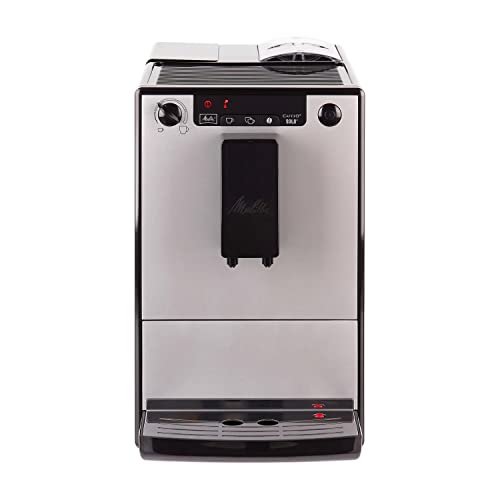
A bean-to-cup coffee maker requires regular maintenance and cleaning to ensure optimal performance. This is usually accomplished by running hot water through the machine to wash away any coffee residue. If you want to do more thorough cleaning, it is recommended to do so at regular intervals. there is a descaling set available. To prevent damage and keep your coffee machine running smoothly, it's important to follow the cleaning schedules recommended by your specific brand.
Bean-to-cup machines let you choose from a selection of beans in whole form, unlike pod machines. This gives them a richer and more authentic taste. Many have the ability to adjust various settings like grind size and temperature to make the perfect cup every time.
A coffee maker that is bean-to-cup is the ideal choice for those seeking convenience. They can brew premium barista-style coffee at the touch of one button. They are great for commercial environments, such as offices, where employees might lack the time to make their own coffee. They might cost more initially than a coffee pod machine, but they can save you money in the long run by removing the necessity for pre-ground or pre-packaged pods. They also help reduce waste by not having to dispose of coffee pods that are empty. They're also a great option for those who want consistency as the automated process eliminates human errors.